
Sales, Marketing & The New Economy: What To Do Next
The Reality: Buyer Behavior Has Already Changed
Companies like Amazon, Starbucks, and Costco didn’t just grow because they had better products.
They built systems around how people actually behave today:
- Frictionless buying
- Personalized experiences
- Data-driven decisions
- Consistency at scale
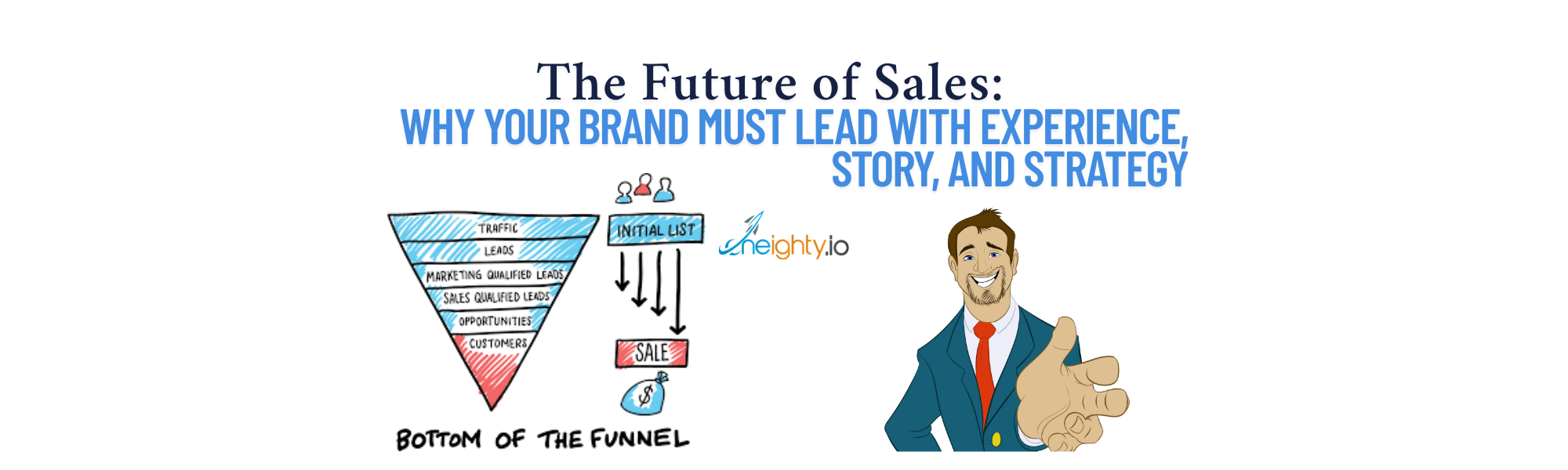
👉 The takeaway: You’re no longer competing on product—you’re competing on experience and execution.
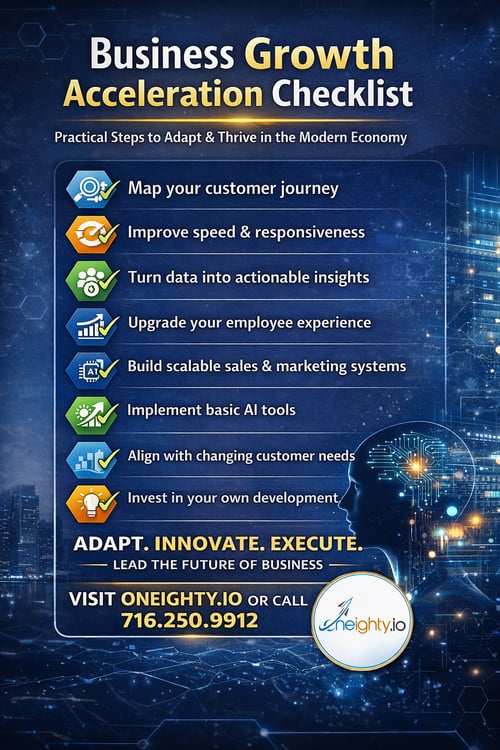
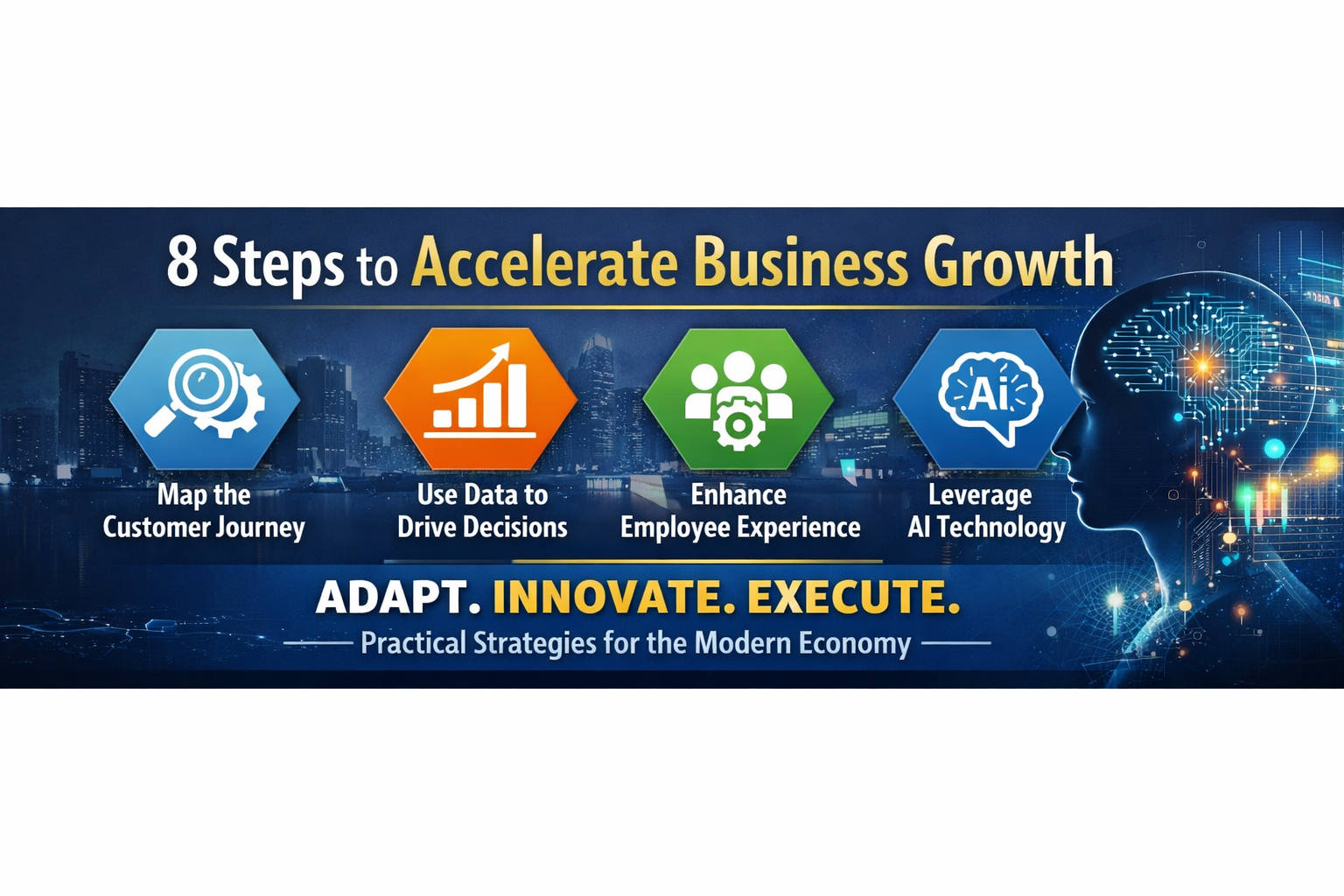
Step 1: Map Your Customer Journey (Most Businesses Skip This)
If you can’t clearly answer this, you have a problem:
- How does someone discover you?
- What happens after they show interest?
- How fast do you respond?
- What does onboarding feel like?
- What keeps them coming back?
Action:
Write out your journey in 5 stages:
- Awareness
- Interest
- Decision
- Experience
- Retention
Then ask:
Where are we losing people?
Because that’s where your revenue is leaking.
Step 2: Fix Speed & Responsiveness
Today’s buyer expects:
- Instant answers
- Easy scheduling
- Clear next steps
This is where companies win or lose fast.
Action:
- Add online scheduling (no back-and-forth emails)
- Set response-time standards (under 5 minutes if possible)
- Use automated follow-ups (email + text)
👉 If you’re slow, you’re invisible.
Step 3: Turn Data Into Decisions (Not Just Reports)
Most businesses collect data…
Very few use it.
Companies like Amazon obsess over:
- Conversion rates
- Customer behavior
- Lifetime value
Action:
Track just 5 core metrics:
- Leads generated
- Conversion rate
- Cost per lead
- Customer acquisition cost
- Retention rate
Then review weekly:
What’s working? What’s not? What do we change?
Step 4: Upgrade Employee Experience First
Here’s a hard truth:
Your team cannot deliver a great customer experience inside a broken system.
From my experience with JPMorgan Chase, ADP, and Carvana / DriveTime— the biggest gains came from internal efficiency first.
Action:
- Audit your team’s daily workflow
- Identify manual, repetitive tasks
- Automate or eliminate 20–30% of them
Examples:
- CRM automation
- Payroll & HR systems
- Internal communication tools
👉 Less friction internally = better experience externally.
Step 5: Build Systems, Not One-Off Efforts
Most businesses operate like this:
- Random marketing
- Inconsistent sales process
- No follow-up structure
That’s not scalable.
Action:
Create 3 core systems:
1. Lead Generation System
- SEO + social + referrals
- Consistent content or outreach
2. Sales System
- Defined pipeline stages
- Scripts, templates, and follow-ups
3. Retention System
- Check-ins
- Upsells
- Ongoing communication
👉 If it’s not repeatable, it’s not growth—it’s luck.
Step 6: Start Using AI (Even at a Basic Level)
AI isn’t coming—it’s already here.
And it’s widening the gap fast.
Action (Start simple):
- Use AI for email drafts, proposals, and content
- Automate customer responses (chat, FAQs)
- Analyze customer data faster
Then grow into:
- Predictive analytics
- Sales insights
- Workflow automation
👉 The goal isn’t replacing people—it’s amplifying performance.
Step 7: Align With How People Want to Live & Work
Just like businesses, communities are shifting.
People are choosing:
- Convenience
- Experience
- Connection
That “live, work, play” model?
It applies to your business too.
Action:
Ask:
- Is working with us easy?
- Is it enjoyable?
- Would someone recommend us without being asked?
If not—fix the experience.
Step 8: Invest in Your Own Growth
The biggest gap I see isn’t technology.
It’s leadership development.
Action:
- Learn sales psychology (not just scripts)
- Understand marketing strategy (not just posting)
- Study operations and systems
- Stay current on AI and digital trends
👉 The business will only grow as fast as the leader does.
Where Oneighty.io Helps
At Oneighty.io, this is exactly what we do.
We help businesses:
- Identify where they’re stuck
- Build systems that scale
- Align sales, marketing, and operations
- Use technology and data the right way
Because growth today isn’t about guessing.
It’s about clarity, systems, and execution.
Final Thought
We are past the “digital shift.”
Now we’re in the acceleration phase—driven by AI, data, and changing human expectations.
This could absolutely be a new renaissance— where humans focus on creativity, relationships, and experience…
But only if the systems underneath support it